Visit our Wellness Center!
Welcome To Abbott
Animal Hospital
Since 1986, Abbott Animal Hospital has dedicated itself to providing high quality and affordable pet care in a warm, friendly environment. We have been a family owned and operated business since the day we opened. We believe in building life-long relationships with our pets and pet parents as if they are members of our family.
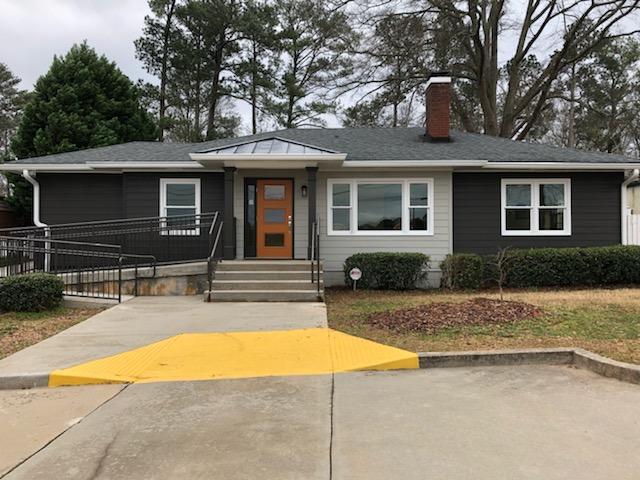
Serving the Lilburn area for 25 years!
Our Animal Hospital
About Abbott Animal Hospital
At Abbott Animal Hospital, we always strive to minimize stress for clients and their pets, so our office is designed for comfort and coziness. We understand just how important trust is to the doctor-patient relationship, so we spend extra time getting to know both you and your pet. We want your family pets to be excited to visit us, anticipating treats and hugs, and good cheer as soon as they walk in the door. At Abbott Animal Hospital, you and your pet are part of the family. Whether you need urgent care or just a regular check-up for your beloved pet, we provide the compassionate care your pet needs to stay healthy and happy.
Our Veterinary Services
Complete Veterinary Care in Lilburn, GA
At Abbott Animal Hospital, we provide comprehensive veterinary care for your furry four-legged friend – from medical treatment and annual care to pet wellness and diet to lifestyle and grooming. We work intensively with every client to ensure their pet has the healthiest and happiest life possible.

Sick Pet visits and Urgent care
Because your pet may need immediate attention, we aim for same day appointments for sick pets. Call to speak to a nurse or schedule an appointment.

Routine Surgery
We perform routine surgeries such as spays and neuters as well as more complex conditions such as pyometra and cryptorchidism. We also remove tumors, intestinal foreign bodies, and bladder stones.

Chronic Disease Management
We aim to improve the longevity of our pets with chronic conditions such as kidney failure, heart failure, feline hyperthyroidism, diabetes mellitus, endocrine diseases, allergic dermatitis, and osteoarthritis.

Boarding & Walks on our Nature Trails
Boarding pets get lots of attention since we have limited space. We welcome pets with special needs.
International Health Certificates
Requirements, blood tests are researched and prepared by accredited veterinarians for travel to Europe, Asia, South America.

Humane Euthanasia
We help assess the quality of life of our faithful companions and compassionately transition them when it is time to say goodbye. We team with Heavenly Paws for individual cremation services to memorialize your pets.
Our Reviews
Thank you for your kind words!
Thank you for making Abbott Animal Hospital one of the highest-rated veterinary hospitals in Lilburn, GA!